Fuel tax cut extended: diesel 24.4c, petrol 6c discount
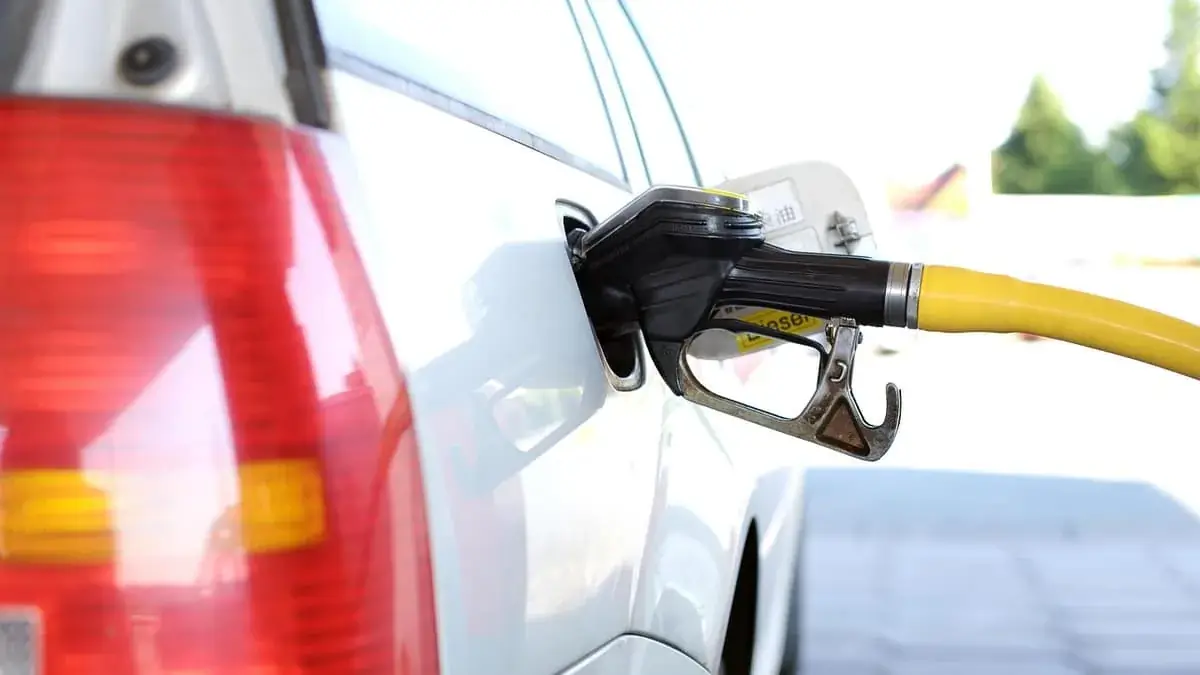
The Italian government has extended the reduction of fuel excise duties for three weeks, with a differentiated discount for petrol and diesel.
Context
In brief
- Three-week extension for the reduction of fuel excise duties
- Diesel discount: 24.4 cents per litre
- Petrol discount: 6 cents per litre
Key facts
- What: Extension of fuel excise duty reduction
- When: From 1st May 2026 for three weeks
- Where: Italy
- Who: Italian government
- Amount: Diesel 24.4 cents/litre, petrol 6 cents/litre
The Italian government has extended the reduction of fuel excise duties for another three weeks, which was set to end on Friday, 1st May. The measure, introduced in April, aims to contain the rise in prices caused by the war in the Middle East. The discount for diesel remains at 24.4 cents per litre, while for petrol it drops to 6 cents per litre. Prime Minister Giorgia Meloni explained that the discount on diesel has been kept higher because the increase in market price has been heavier for this fuel.
Impact on cross-border workers
The extension of the reduction of fuel excise duties will have a significant impact on cross-border workers who work in Ticino and reside in Italy. With the cost of fuel representing an important part of monthly expenses, this measure can alleviate the economic burden for those who travel daily between the two countries. However, it is important to note that the reduction of the discount on petrol could influence mobility choices, pushing some to consider alternative means of transport.
Comparison with other European measures
While Italy extends the reduction of excise duties, other European countries are introducing measures to contain fuel consumption. This differentiated approach raises questions about long-term strategies to address the energy crisis. Reducing fuel consumption could become a priority in the future, especially in light of geopolitical tensions and concerns about resource scarcity.
Operational details
Analysis of the implications
The extension of the reduction in fuel excise duties represents a temporary relief for Italian consumers, but it also raises some important questions. The decision to maintain a higher discount for diesel compared to petrol reflects market dynamics and the specific needs of different sectors. However, it is essential to consider the long-term implications of this measure.
Market effects
The reduction in excise duties can influence the fuel market in various ways. On the one hand, it can stimulate demand, especially for diesel, which benefits from a more substantial discount. On the other hand, it could also encourage the use of more fuel-efficient vehicles, such as diesel ones, which are generally more economical to manage.
Environmental considerations
While the reduction in excise duties can provide immediate economic relief, it is important to consider the environmental implications. Encouraging the use of fossil fuels could contradict sustainability and emission reduction goals. In a context of growing environmental awareness, this measure could be seen as a step back from energy transition policies.
Comparison with other European policies
In contrast to the Italian approach, other European countries are adopting measures to reduce fuel consumption. For example, some states are introducing incentives for the purchase of electric or hybrid vehicles, or implementing low-emission zones in cities. These policies aim to reduce dependence on fossil fuels and promote more sustainable mobility.
…
Key points
What to do now
For cross-border workers who commute to Ticino and live in Italy, it's important to be aware of the implications of the extension of the reduction in fuel excise duties. Here are some concrete steps to follow:
1. Monitor fuel prices: With the reduction in excise duties, fuel prices may vary. It's useful to monitor prices at service stations along your usual routes to ensure you get the best quality-price ratio. 2. Consider alternative means of transport: If the cost of fuel remains a significant burden, it might be useful to evaluate alternative means of transport, such as carpooling or using public transport. In Ticino, for example, there are several public transport options that can be convenient for cross-border workers. 3. Plan your trips: Planning your trips in advance can help reduce fuel costs. For example, avoiding peak hours can reduce travel time and, consequently, fuel consumption. 4. Use comparison tools: There are several online tools that allow you to compare fuel prices at different service stations. Using these tools can help you find the best deals and save on fuel costs. 5. Stay informed: Fuel policies can change rapidly. It's important to stay up-to-date on the latest news and any changes to excise duties or other tax measures that could affect fuel costs.
Useful tools
For cross-border workers who want to optimize their trips and reduce fuel costs, tools like the fuel cost calculator and the fuel price comparator can be useful. These tools can help you plan your trips better and find the most convenient deals.
…
Frequently Asked Questions
- How long is the extension of the reduction in fuel excise duties?
- The extension of the reduction in fuel excise duties has been prolonged for three weeks, starting from May 1st, 2026.
- What is the discount applied to diesel and petrol?
- The discount for diesel is 24.4 cents per litre, while for petrol it is 6 cents per litre.
- What are the environmental implications of the reduction in fuel excise duties?
- The reduction in fuel excise duties may encourage the use of fossil fuels, conflicting with sustainability goals and emission reduction targets.