Energy, Marcello Di Caterina (Alis): 'Good Von der Leyen's opening on Ets but now suspension for the maritime sector' (cross-border guide)
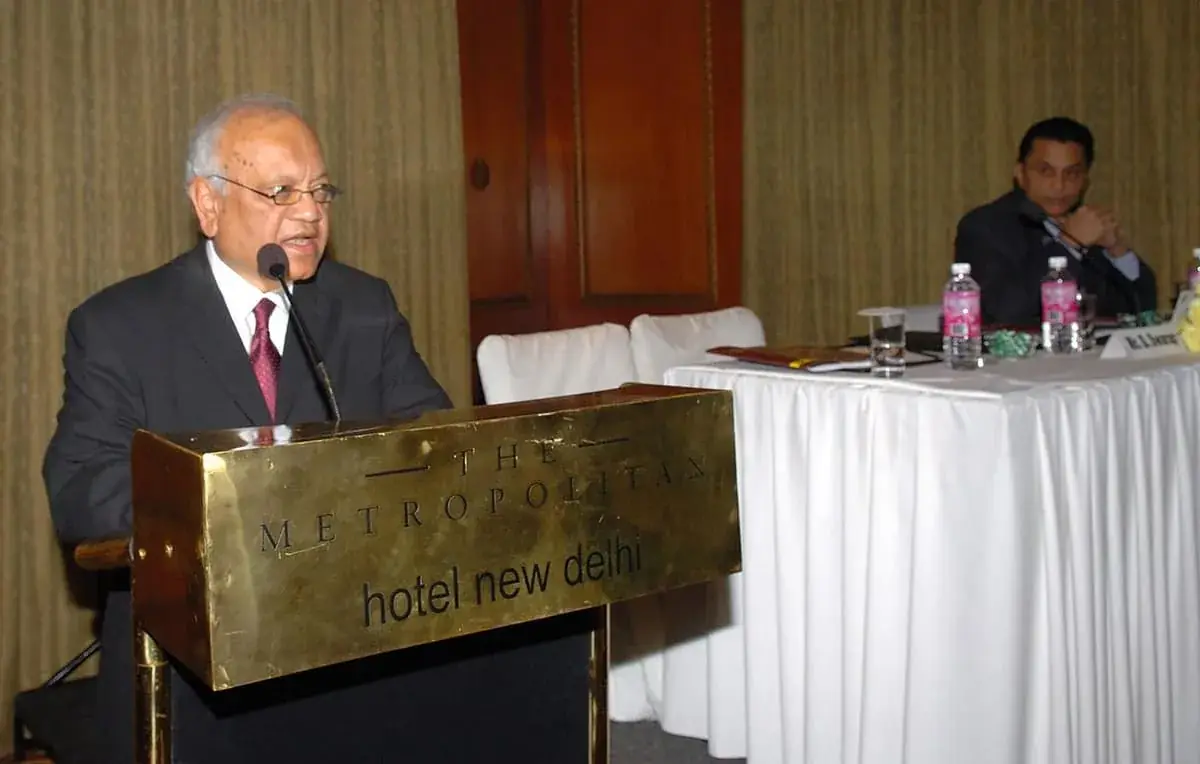
The General Director of Alis, Marcello Di Caterina, comments on the statements of the President of the European Commission, Ursula von der Leyen, on the Ets system.
Context
TL;DR
- Ursula von der Leyen open to ETS revision
- Maritime sector not yet covered by ETS
- ETS inclusion could cost 1.5B EUR/year
- Ticino's Lugano port may face new costs
Key facts
- ETS Coverage: 11,000 industrial plants and 1,000 air operators in Europe
- Maritime Emissions: 2.9 billion tons of CO2 in 2020, 2.5% of global emissions
- Singapore-Rotterdam: Over 100 million tons of emissions from this route
- Maritime ETS Cost: Around 1.5 billion euros per year for shipping companies
- EU Maritime Emissions: 13% of greenhouse gas emissions in the EU
- Large Container Ship: Up to 50 million tons of CO2 per year
- Ticino Frontier Workers: Around 1,300 workers in the maritime sector with average income of 70,000 francs
- EU Maritime Emissions 2020: Around 124 million tons of CO2
…
Operational details
The Ets (Emissions Trading System) is a market mechanism that aims to reduce greenhouse gas emissions from industrial activities and energy. The revision of this system could have a significant impact on the maritime sector, which is one of the main responsible for greenhouse gas emissions. The suspension of the application of the Ets system to the maritime sector could be a temporary solution to alleviate pressures on maritime transporters. According to data from the European Environment Agency, the maritime sector is responsible for 13% of greenhouse gas emissions in the European Union. In particular, container ships and cargo ships are among the largest sources of emissions. For example, a large container ship can emit up to 50 million tons of CO2 per year. The revision of the Ets system has been opened by the President of the European Commission, Ursula von der Leyen, who has announced the intention to revise the mechanism to make it more effective and ambitious. However, while the EU opens up to the revision of this mechanism, the maritime transport sector is facing a phase of strong global instability, as stated by Marcello Di Caterina, President of Alis. In this context, the suspension of the application of the Ets system to the maritime sector could be a temporary solution to alleviate pressures on maritime transporters. However, this could have a negative impact on the effectiveness of the Ets system in reducing greenhouse gas emissions.
Useful tools to protect your net income
To reduce FX leakage, compare CHF-EUR exchange options and banks for cross-border workers.
Key points
For Ticino frontier workers who work in the maritime sector, the recent statement by the President of the European Commission, Ursula von der Leyen, on the Ets (Emissions Trading System) could have a significant impact on their work and daily life. It is essential to stay informed about developments in the Ets system and possible implications for the maritime sector. The Ets system is a market mechanism that aims to reduce greenhouse gas emissions from industrial activities and energy. Companies that exceed established emission thresholds must purchase emission allowances to cover their excess emissions. The price of allowances varies based on supply and demand. The statement by von der Leyen opens the way to a possible suspension of the Ets for the maritime sector. This could represent relief for shipping companies and sector workers, who could avoid incurring additional costs related to purchasing emission allowances. For example, according to data from the European Environment Agency, CO2 emissions from the maritime sector in the EU were around 124 million tons in 2020. If the emission allowance price were 50 euros/ton, shipping companies would have had to pay around 6.2 billion euros. Ticino frontier workers who work in the maritime sector could be affected by this news. Many of them reside in Ticino municipalities such as Chiasso, Mendrisio or Lugano and work in ports such as Antwerp, Rotterdam or Hamburg. According to data from the Federal Statistical Office, in 2020 there were around 1,300 Ticino frontier workers employed in the maritime sector, with an average annual income of around 70,000 francs.
…
Frequently Asked Questions
- What are the possible consequences of the inclusion of the marine sector in the ETS system?
- The inclusion of the marine sector in the ETS system could entail additional costs for the shipping companies, pairs to approximately 1,5 billion euros per year, and could have a negative impact on the effectiveness of the system in reducing the emissions of greenhouse gases.
- What impact could have the inclusion of the marine sector in the ETS system on local economies around the lake ports of Switzerland, such as Lugano?
- Inclusion could generate additional costs for goods in transit, hitting local economies. For example, the port of Lugano could see an increase in costs for companies using the port, affecting their competitiveness and, consequently, the local economy.
- How could the inclusion of the marine sector in the ETS system affect the operating costs of the Swiss shipping companies?
- The inclusion of the maritime sector in the ETS system could increase the operating costs of Swiss shipping companies, which will have to buy emission quotas to cover their CO2 emissions. This could result in an estimated additional cost of around 1.5 billion euros per year for the entire European maritime sector, affecting the competitiveness of shipping companies.
- What strategies can maritime companies adopt to reduce greenhouse gas emissions?
- Maritime companies can adopt different strategies to reduce emissions, such as optimisation of maritime routes to reduce kilometres, investment in more efficient and clean technologies, such as low fuel consumption engines and the use of alternative fuels, and collaboration with authorities to develop sustainability policies.
- What are the implications for Swiss frontier workers if the maritime sector should be included in the ETS system?
- If the maritime sector was included in the ETS system, Swiss frontier workers could face a greater job instability due to the increase in operating costs of the companies. This could lead to staff reductions or a decrease in working hours. However, it could also create new opportunities in areas related to the development of sustainable technologies and energy efficiency.
Related articles
- All articles: Family and school
- Marcello Guido e il decostruttivismo in Italia
- Von der Leyen: "Guerra in Iran costa all'Ue 500 milioni al giorno per l'energia"
- 1° maggio tra Eremo e Monastero sul Lago Maggiore e in Valle Olona
- Integrazione migranti Ticino
- Bene Lario e Ticino: guida fiscale frontaliere 2024