Daycare in Ticino: A 2026 Cost Guide for Border Workers (cross-border guide)
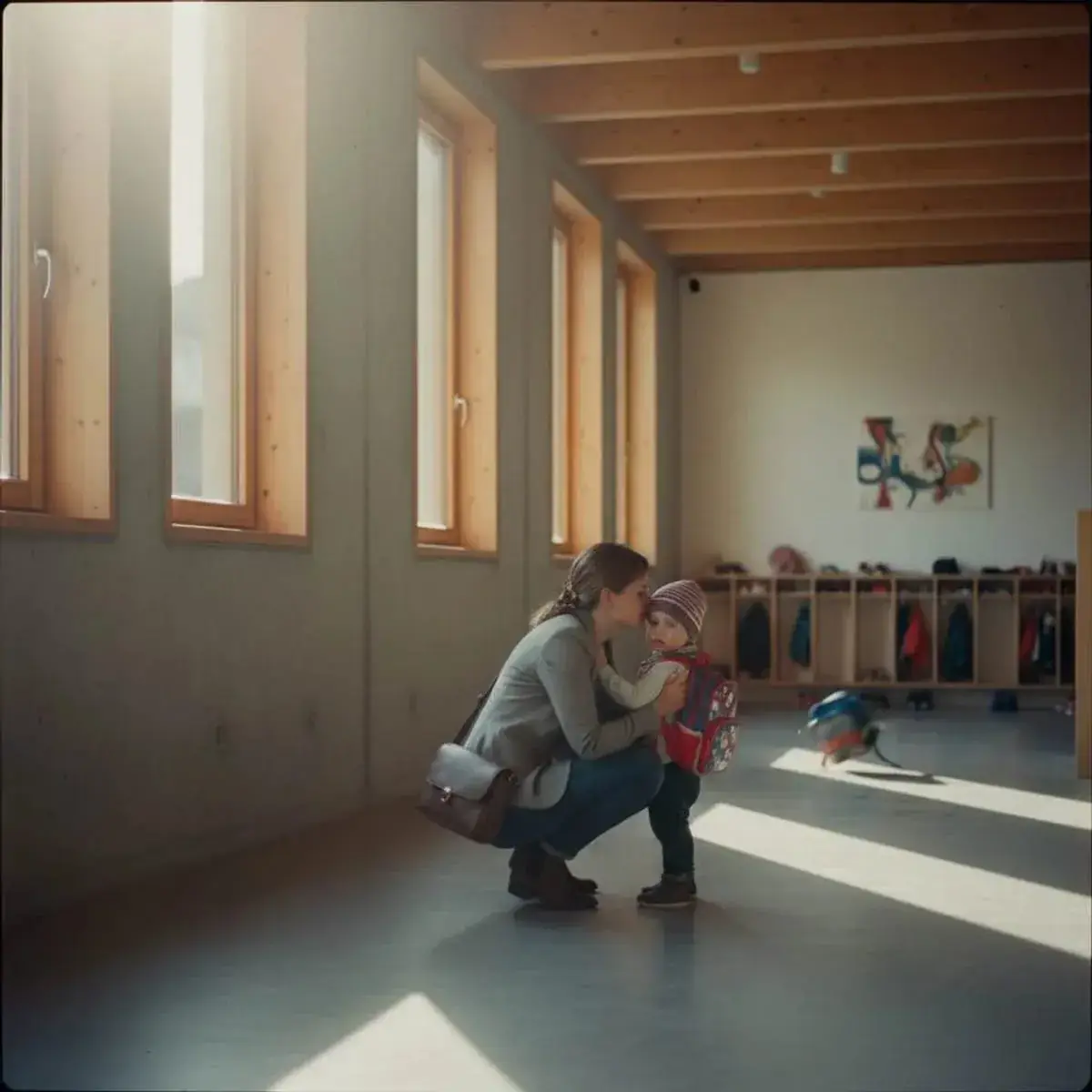
Monthly fees up to 2,800 CHF, months-long waiting lists, and a subsidy maze. Here is the practical guide for cross-border parents choosing daycare in Ticino.
Context
TL;DR
- Daycare in Ticino costs 2,200-2,800 CHF/month in 2026
- Cross-border workers face complex subsidy rules
- Waiting lists in Ticino can exceed 12 months
- Italian daycares are cheaper but have earlier closing times
Key facts
- Costo asilo nido: 2,200-2,800 CHF/mese nel 2026 per strutture private a Lugano e Mendrisio
- Sussidi cantonali: Accesso legato alla residenza fiscale e al pagamento delle tasse in Ticino
- Lavoratori frontalieri: I vecchi frontalieri hanno più probabilità di accedere ai sussidi
- Esempio pratico: Una famiglia con RUL di 120.000 CHF paga circa 1.600 CHF/mese in una struttura comunale
- Liste d'attesa: In aree ad alta domanda come Lugano, possono superare 12 mesi
- Asilo nido in Italia: Costo medio di 500-800 euro/mese con orari più rigidi
- Bonus Asilo Nido: Disponibile in Italia tramite INPS
- Consiglio finale: Valutare tutti i costi e le opzioni su entrambi i lati del confine
For a cross-border parent, choosing a daycare center is one of the most impactful financial decisions, second only to a mortgage. While a Swiss salary offers superior purchasing power, the cost of services in Ticino can quickly erode this advantage. Enrolling a child in a full-time daycare in the Canton represents an expense that, for 2026, ranges between 2,200 and 2,800 Swiss francs per month for a private facility in the Lugano or Mendrisio areas. These figures turn childcare into a cost item comparable to a second part-time salary.
…
Operational details
Fees, Subsidies, and the Tax Hurdle
The Ticino system for municipal or subsidized daycare centers is based on income-related fees. The cost is not fixed but depends on the household's economic capacity, often assessed on the Gross Single Income (Reddito Unico Lordo - RUL). Here arises the first, crucial complexity for cross-border workers. Access to cantonal and municipal subsidies, provided to reduce the fee, is frequently linked to tax residency and the payment of taxes in the Canton.
⚠️ The key distinction for cross-border workers:
- Old cross-border workers (taxed at source in Switzerland): They generally have a better chance of accessing the aid system, as they contribute directly to the cantonal tax revenue. Their application is evaluated based on standard parameters.
- New cross-border workers (taxed in Italy): The situation is more uncertain. Since they are not direct taxpayers in Ticino, access to cantonal subsidies may be limited or entirely excluded, depending on municipal and cantonal regulations. They may have to pay the maximum fee, unless specific agreements are in place.
📊 Practical example: A household with a RUL of 120,000 CHF might pay a monthly fee of about 1,600 CHF in a subsidized municipal facility. The same household, if not eligible for subsidies, would have to pay the full rate, which can exceed 2,500 CHF. Added to this are the waiting lists, which in high-demand areas like the Lugano region can exceed 12 months, requiring planning far in advance, sometimes even before the child is born.
Key points
Practical Strategies: Ticino or Italy?
The final decision comes down to a balance of costs, logistics, and quality of service. There is no single answer, but a careful analysis of the pros and cons can guide the best choice for one's family.
Option 1: Daycare in Ticino
- Pros: Proximity to the workplace, flexible hours compatible with Swiss schedules, immersion of the child in a bilingual context (Italian/German in some facilities).
- Cons: Potentially prohibitive costs (up to 30,000 CHF per year), complex bureaucracy for accessing subsidies, long waiting lists.
Option 2: Daycare in Italy (Como, Varese, etc.)
- Pros: Significantly lower costs (on average 500-800 euros per month), possibility to benefit from the "Bonus Asilo Nido" provided by INPS.
- Cons: Often rigid and early closing times (e.g., 6:00 PM), which are difficult to reconcile with commuting and traffic at border crossings like Brogeda or Ponte Tresa. Increased stress related to travel.
💡 The final advice: Before making any decision, it is crucial to map out all available options on both sides of the border. Calculate not only the monthly fee but also ancillary costs like transportation and the value of your time. Assessing the impact of a 2,500 CHF fee on your family budget is essential. To get a clear picture of the options and costs, our daycare and childcare services comparator can be a fundamental starting point for beginning this research in an informed and strategic way.
(Source: Frontaliere Ticino analysis based on cantonal and private data, January 2026)
Frequently Asked Questions
- How does the kindergarten subsidy system work in the Canton of Ticino?
- The Ticino system for municipal or subsidized nurseries is based on fees calculated on the basis of income. The cost is not fixed, but depends on the economic capacity of the household, often assessed on the Gross Single Income (GNI). Access to cantonal and municipal subsidies is frequently linked to tax residence and the payment of taxes in the Canton.
- How many months in advance is it necessary to register for a nursery school in Lugano?
- In the most popular areas such as Lugano, waiting lists can exceed 12 months, often requiring planning in advance, sometimes even before the baby is born.
- How much does a private kindergarten in Ticino cost for a border worker?
- By 2026, full-time enrolment in a private facility in the Lugano or Mendrisio areas stands at between CHF 2,200 and CHF 2,800 per month. This expense is comparable to a second part-time salary, making the choice one of the most impactful financial decisions for a borderline parent.