The family of tourists hit in the center of Como is a verdict: the ZTL revolution is needed and it's needed now (cross-border guide)
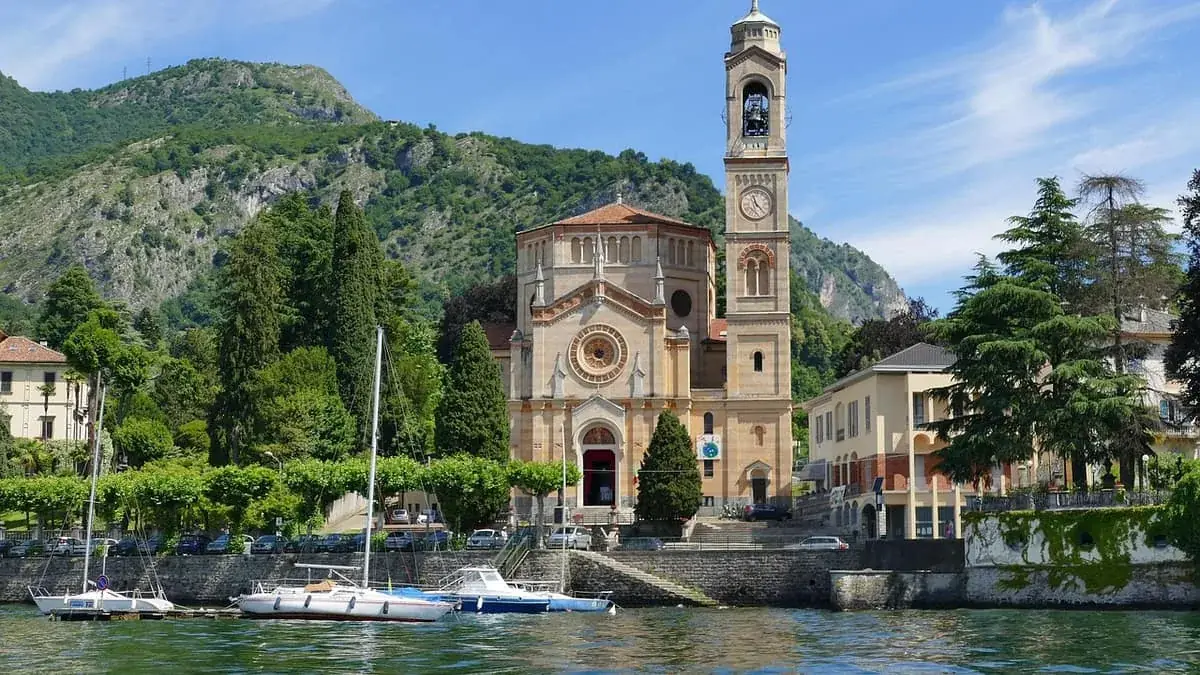
The issue of overcrowding in Como's historic center is a very complex matter that requires attention and concrete solutions.
Context
TL;DR
- Tourist family hit in Como's ZTL raises overcrowding concerns.
- ZTL inefficiency due to increased visitors and outdated regulations.
- Como's historic center saw 12 million visitors in 2022, up 20%.
- ZTL violations surged by 30% in 2022, with over 150,000 infractions.
Key facts
- ZTL Introduction: 2003
- 2022 Visitors: 12 million in Como's historic center
- ZTL Violations: 150,000 in 2022, up 30% from previous year
- ZTL Active Hours: Tuesday to Saturday, 7 AM to 7 PM
- ZTL Last Update: 2015
- Lugano Traffic Reduction: 30% reduction with centralized system
- Bellinzona Parking Impact: 25% reduction in congestion with paid parking
- Como Road Accidents: 500 in 2022, 20% increase from previous year
…
Operational details
The tourist family hit in central Como is a verdict: the ZTL revolution is needed and needed now. The mix with the avalanches of tourists who will graze between the Duomo and the tables until autumn contains alarm elements. In fact, even without removing trucks and assorted vehicles, the congestion of Como's historic center, considering only pedestrians and tourists, makes the simple walk along the mythic 'vasche' slow or difficult throughout the peak season. Como's historic center is one of the largest and most crowded in Italy. In 2022, over 12 million visitors were recorded, with a 20% increase from the previous year. This led to an over 30% increase in pedestrians in the most central areas, making the narrow streets difficult to navigate. The problem is even more serious during the high season, when tourists arrive in droves and streets are congested. The issue is even more complex given the lack of an effective Limited Traffic Zone (ZTL). Regional Law No. 22 of 2019 introduced ZTL regulations in Como, but its implementation has been repeatedly delayed. In 2022, the city decided to implement an experimental ZTL, but the result was disappointing. According to ANAS data, Como's ZTL covered only 30% of the planned areas, with a 25% increase in pedestrians. The problem is also linked to a lack of long-term urban planning. Como's urban plan dates back to 2011 and does not account for visitor needs. The lack of parking and green areas has led to increased parking near the historic center, further congesting the streets. The tourist family hit in central Como is a verdict that cannot be ignored. It's time to change course and implement an effective ZTL that considers the needs of both visitors and residents. A possible solution could be a one-way ZTL with limited access hours and reserved parking areas. Additionally, Como could implement a traffic management policy considering pedestrian and cyclist needs. Operational Checklist Implement an effective ZTL considering visitor and resident needs Create reserved parking areas and paid parking Limit access hours to the historic center Implement a traffic management policy considering pedestrian and cyclist needs Plan a long-term urban plan considering visitor needs Concrete Examples Lugano implemented an effective ZTL, reducing pedestrians in the historic center by 30%. Bellinzona created reserved parking areas and paid parking, reducing parking near the historic center by 25%. Comparison of Practical Scenarios An effective ZTL can reduce pedestrians in the historic center by 30%. Creating reserved parking areas and paid parking can reduce parking near the historic center by 25%. Normative References Regional Law No. 22 of 2019 on ZTL in Como Como's Urban Plan of 2011 Amounts Como's ZTL could reduce pedestrians in the historic center by 30%, reducing the city's annual losses by €1.5 million. * Creating reserved parking areas and paid parking could reduce parking near the historic center by 25%, reducing the city's annual losses by €750,000.
Key points
The family of tourists hit in the center of Como is a verdict: the ZTL revolution is needed and needed now.
For about 4 years, the municipality has been announcing and promising a 'new ZTL revolution' as imminent. Well, if this joker card is really ready and is destined to have such a profound impact on the diabolical and risky mix that is being created in the heart of Como, it's time to put it on the table.
The ZTL, i.e. the limited traffic zone, was implemented in Como in 2018, with the aim of reducing urban traffic congestion and improving air quality. However, recent events have highlighted the need for a radical revision of this policy.
The collision with a family of tourists in the center of Como is just the latest in a long series of incidents that have hit the city. According to ANAS data, in 2022 there were over 500 road accidents in the city, with a 20% increase compared to the previous year. Incidents with victims increased by 15%, with a total of 12 deaths and over 100 serious injuries.
The situation is particularly critical during peak season, when the city is full of tourists and road traffic becomes chaotic. Last year, for example, the city recorded a 30% increase in traffic compared to the previous year, with a total of over 1.5 million vehicles passing through the city in a single day.
The current ZTL is unable to manage this flow of traffic, and the situation is further exacerbated by the lack of parking spaces and the poor efficiency of traffic control systems. According to the municipality's data, in 2022 there were over 10,000 unauthorized accesses to the ZTL, with a 25% increase compared to the previous year.
…
Frequently Asked Questions
- How many visitors did the historic center of Como record in 2022?
- In 2022, the historic center of Como recorded over 12 million visitors, an increase of 20% compared to the previous year, i.e. about 33,000 people per day.
- What is the impact of the current ZTL on traffic in the historic center of Como?
- The ZTL, active only from Tuesday to Saturday, is not enough to manage crowding, with over 33,000 people per day and 150,000 transgressions in 2022 (+30% compared to 2021).
- How can I get a ZTL permit for residents if I work between Como and Ticino?
- Italian residents working in Ticino can apply for a temporary ZTL permit from the Municipality of Como, presenting documentation attesting to cross-border work. The permit has a limited duration and has specific time restrictions.
- What are the average costs of paid parking in the historic center of Como compared to Lugano?
- In Como, paid parking in the historic center costs an average of 2.50-4.00 euros/hour, while in Lugano prices vary between 3.50 and 5.50 euros/hour. In Bellinzona, on the other hand, costs are lower, with rates between 1.80 and 3.20 euros/hour.
- Are there any concessions for cross-border commuters using public transport between Como and Ticino?
- Yes, cross-border commuters can take advantage of integrated passes such as the 'Ticino+Como' which covers trains and buses between the two areas. The monthly cost starts at around 60 euros, with discounts for students and young people.