Boiler change in Ticino? The new 2026 regulations
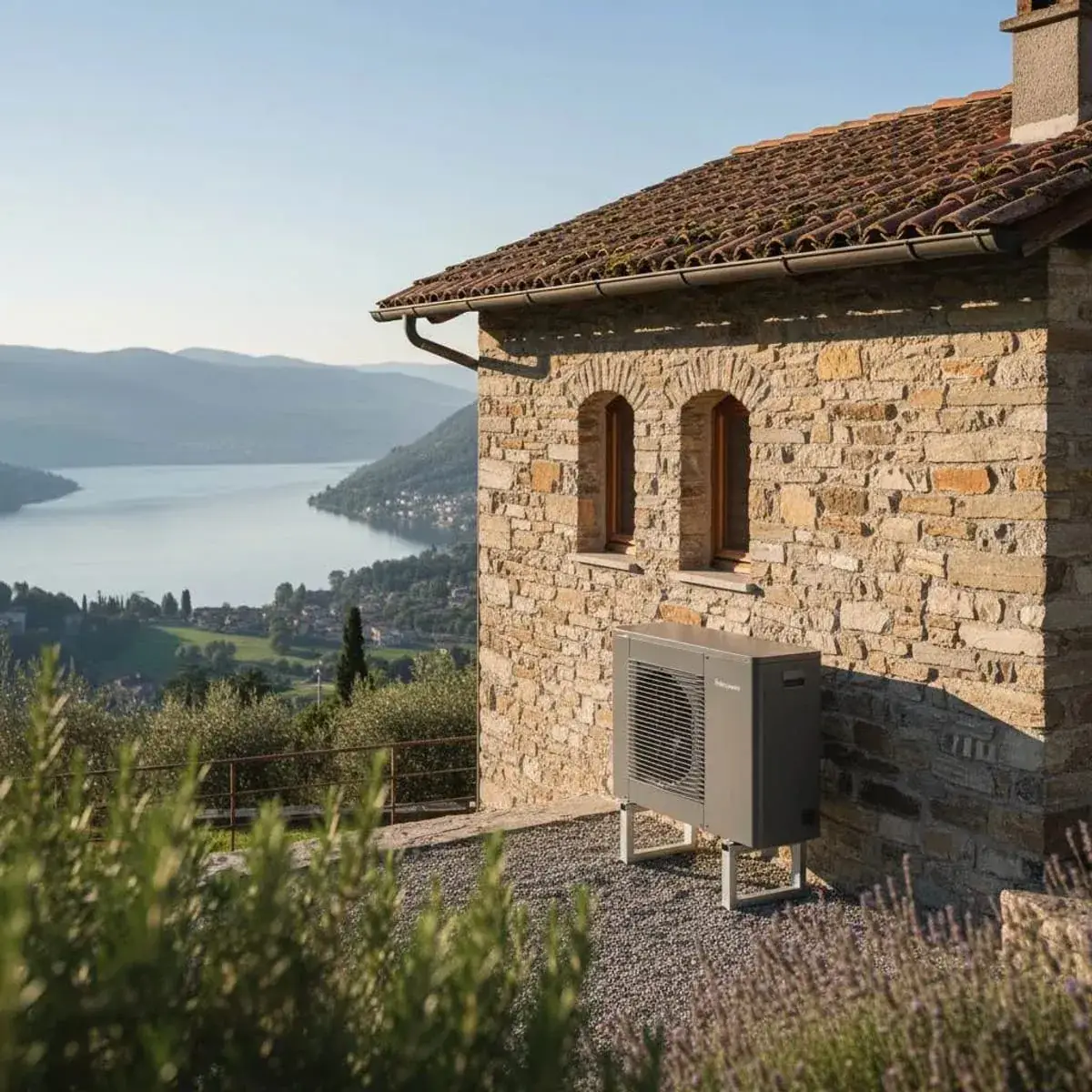
From 2026, energy regulations (RUEn) are changing. Many systems are over 15 years old: here's how to know if it's worth replacing them and saving on your bill.
Context
TL;DR
- Ticino heating systems over 15 years old face 2026 efficiency update
- Old systems waste 20-30% energy, costing hundreds to thousands yearly
- New RUEn regulations may make upgrades mandatory in 2026
- Heat pumps raise cost, compatibility, and benefit concerns
Key facts
- Regolamento: RUEn
- Anno: 2026
- Efficienza persa: 20-30%
- Consulente: Christian Bernasconi
- Incentivi: Subsidies for energy retrofitting
- Età sistema: Over 15 years old
- Risparmio: Hundreds to thousands of francs yearly
- Compatibilità: Existing radiators may be kept with heat pumps
Is your heating system a cost or a resource? This is the question that many property owners in Ticino, including numerous cross-border workers, should be asking themselves. With the arrival of 2026, cantonal energy regulations (RUEn) will undergo a significant update, pushing for greater efficiency. The reality is that a large part of Ticino's housing stock relies on heating systems that are more than 15 years old. They work, sure, but at what cost? They often consume much more than necessary, and the risk of a sudden breakdown, perhaps in the middle of winter, is increasingly real.
The era of obsolete systems: a hidden cost
Many tend to postpone replacing their boiler until it breaks down completely, without considering the hidden costs. An outdated system can waste up to 20-30% of the energy it consumes compared to a modern model. This translates into hundreds, if not thousands, of francs thrown away each year on higher bills. Christian Bernasconi, an independent technical consultant and owner of Calor Tech, warns about this very point: the issue is not just whether the system works, but how it works. As he states, his job is to help owners understand "if and how to intervene, selecting the best technologies on the market only if they bring a real economic and energy advantage." An analytical approach that contrasts with simple sales, offering an impartial assessment based on data, not opinions.
⚠️ The aging of systems is not just a matter of efficiency, but also of regulatory compliance. With the new 2026 RUEn, some systems may no longer be compliant in the event of a mandatory replacement, making the upgrade no longer a choice, but a necessity.
Operational details
The transition to more efficient systems, such as heat pumps, raises legitimate doubts and concerns among owners. The most common questions relate to costs, compatibility with existing systems, and the real benefits. Is it an investment worth making?
Key questions before deciding
Before starting any work, it is essential to have clear answers. Here are the crucial points to evaluate:
- Current efficiency: Is your system wasting energy? An analysis of consumption over the last few years compared to the size of the home is the first step to understanding this.
- Real cost of a Heat Pump: How much does it really cost to install a heat pump today? You need to consider not only the price of the unit but also the installation work, any cantonal incentives, and long-term savings on bills.
- Compatibility with radiators: One of the most common concerns is having to replace all the radiators as well. In many cases, it is possible to keep existing radiators, especially if they are well-sized, even with a modern heat pump.
- Bills too high: Are you paying more than you should? A comparison with the average consumption of similar homes can reveal if your system is an energy drain.
The value of independent technical advice lies precisely here. An expert like Bernasconi has no interest in selling a specific product, but in providing the ideal project and solution. This allows the owner to have an objective analysis and, if they wish, to have the work carried out by their trusted plumber, ensuring maximum transparency and cost control.
Key points
Facing the replacement of a heating system doesn't have to be a stressful process or a leap into the dark. Careful planning, based on concrete data, allows you to turn a necessary expense into a smart investment that increases the property's value and reduces running costs for years to come. The right approach is to act in advance, without waiting for a winter breakdown emergency.
Practical advice for owners
💡 Here is a checklist to get started on the right foot: 1. Check the age of your system: If it's over 15 years old, it's time to schedule an evaluation. 2. Gather your bills: Analyze consumption (in kWh or liters of heating oil) from the last 2-3 years to have an objective baseline. 3. Request an independent analysis: Before asking for quotes from installers, get an impartial technical check-up. Many professionals, as in the case mentioned, offer a free initial consultation. 4. Inquire about incentives: The Canton of Ticino offers subsidies for energy retrofitting. Check which ones you are entitled to.
Saving hundreds, if not thousands, of francs per year on your energy bill has a direct impact on your purchasing power and family budget management. To better understand how a reduction in fixed monthly expenses can improve your financial situation, we invite you to use our net salary calculator. By entering your data, you can see how a lower monthly expense translates into a higher net amount at the end of the month.
Source: Tio.ch, 18.02.2026
Frequently Asked Questions
- When is it advisable to replace the heating system in Ticino considering the new RUEn 2026?
- If the system is more than 15 years old, it is advisable to plan an assessment in advance, considering the new cantonal energy regulations (RUEn) that will come into force in 2026, which could make some existing systems obsolete.
- What is the impact of the new RUEn 2026 on the regulatory compliance of existing heating systems in Ticino?
- The new 2026 RUEn will make some existing heating systems non-compliant in the event of mandatory replacement, making upgrading to more efficient systems (such as heat pumps) no longer a choice, but a necessity.
- How long does it take to install a heat pump in a house with an existing system in Ticino?
- The installation of a heat pump in a house with an existing system takes an average of 2-5 working days, depending on the complexity of the plumbing system and the power required. If the radiators are already sized correctly, there is no need to replace them, further reducing the time.
- What are the financial incentives for replacing the heating system in Ticino in 2026?
- The Canton of Ticino offers subsidies of up to 30% of the cost for the replacement of obsolete systems with heat pumps, with a maximum ceiling of CHF 15,000. The incentives can be combined with federal contributions, covering up to 50% of the total expenditure.
- Can I keep my existing radiators if I install a heat pump in Ticino?
- Yes, in most cases it is possible to keep existing radiators, as long as they are well sized for lower flow temperatures (typically 35-45°C). Only very old or poorly sized systems may require replacement.
Related articles
- All articles: Housing and rent
- Bollette del riscaldamento troppo alte? La soluzione in Ticino
- Frontaliere Ticino: nuove norme e regole per i lavoratori frontalieri
- Cassa Disoccupazione: nuove norme per i frontalieri
- Svizzera respinge norme UE frontalieri
- Cambio CHF-EUR Frontaliere: Guida Completa per Risparmiare