Italy-Switzerland: automatic exchange of tax information
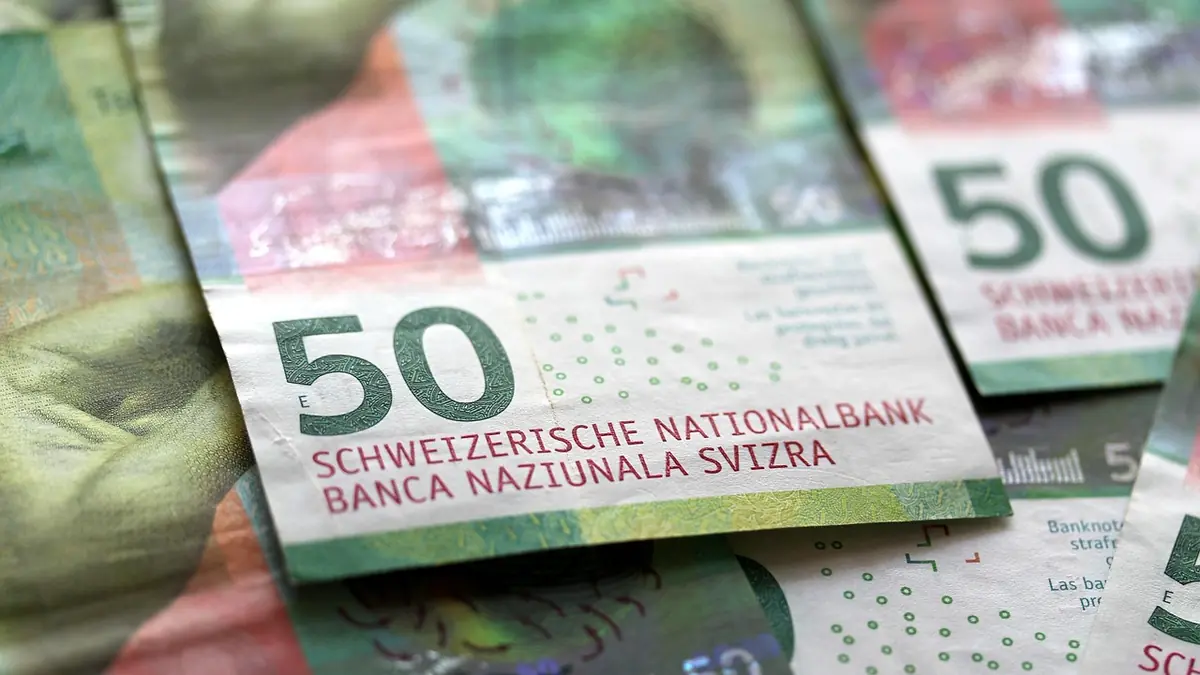
Analysis of the operation of the automatic exchange of tax information between Italy and Switzerland through CRS and DAC for frontier workers.
Context
In a nutshell
- The system follows OECD CRS standards and European DAC standards.
- Involves financial accounts, beneficial owners and controllers.
- Information flows are used for compliance and risk analysis.
Key facts
- What: Automatic exchange of tax information (AEOI).
- When: Operational according to international regulatory frameworks.
- Where: Italy and Switzerland.
- Who: National tax administrations.
- Standard: CRS (OECD) and DAC (EU).
The automatic exchange of tax information between Italy and Switzerland is a fundamental pillar of the international transparency system. This procedure is based on the Common Reporting Standard (CRS) defined by the OECD and is coordinated, with regard to the Italian side, with the European DAC discipline. The system is designed to monitor financial accounts, beneficial owners and persons exercising control, feeding information flows that competent authorities use for compliance activities and tax risk analysis. It is important to frame the relationship between Italy and Switzerland by distinguishing two distinct regulatory levels: the DAC, which regulates tax administrative cooperation between the Member States of the European Union, and the CRS, which constitutes the OECD international standard for the automatic exchange of information on financial accounts. In relations with Switzerland, the automatic exchange operates through the international framework and the agreement with the Union
Operational details
The practical application of this system has direct implications for contributors, including frontaliers operating in the Canton Ticino. The transparency introduced by the CRS and the DAC means that every active financial report in Switzerland is potentially subject to analysis by the Italian tax authority. For a frontali worker, this requires an extremely accurate management of one's fiscal position in Italy, ensuring that all foreign income and financial activities are correctly reported in the tax return. The distinction between the two levels of regulation is crucial: while the CRS covers the global standard, the DAC complements the European framework, creating a security network that covers almost every capital movement. This is not a punitive measure, but a tool for transparency that requires greater awareness from the citizen. The operational implications include managing tax credit and correctly filling out the RW form, if the contributor has foreign financial activities. The comparison with the previous situation, characterized by greater opacity, highlights how it is now fundamental to maintain complete and consistent documentation. A worker in Switzerland who receives an income credited to a Swiss account must consider that such information regularly passes through the automatic exchange channels, making the data available to the Agenzia delle Entrate. It is therefore advisable to use tools such as the calculator to verify one's position and ensure that withholding taxes and due taxes are correctly managed. Administrative cooperation does not stop here, as the new developments related to DAC6 and DAC8 promise to extend the control perimeter, including new types of income and digital assets that were previously partially excluded from the scope of action of the tax authorities. This evolution requires constant vigilance from those managing transnational assets, avoiding discrepancies between what is declared and what is actually reported by the automatic exchange systems between the two neighboring states.
Useful planning tools
To estimate your pension strategy, use the pension planner and the pillar 3 simulator.
Key points
To navigate correctly within the system of fiscal transparency, every frontaliere must adopt a proactive approach in managing their documents. The standard procedure requires the taxpayer to have all the documentation related to the current accounts open in Switzerland, including annual account statements that attest to balances, interest earned, and other relevant movements. It is essential to verify that these information match perfectly with what is reported in the tax return presented in Italy, avoiding omissions that could trigger automatic alerts from risk analysis systems. In case of doubts about the correct compilation, it is advisable to seek specialized consultation for managing foreign taxes, ensuring that the tax credit is calculated correctly according to the applicable legislation, avoiding double taxation of income. The step-by-step procedure involves first collecting the documents issued by Swiss banks, translating them if necessary, and then integrating them into the annual declaration model. It is not forgotten that, in addition to income from work, also the income from pillar 3 or financial investments must be monitored with the utmost attention, as they also fall within the scope of the automatic exchange of information between tax authorities. For those who wish to delve deeper into their situation, the site offers dedicated tools that allow simulating the fiscal impact of their financial choices, helping to prevent common errors and optimize the management of transnational wealth. It is fundamental to consult regularly the fiscal deadlines to avoid incurring in penalties or delays in the submission of the integrated documentation. For a precise verification of their tax and fiscal situation, it is recommended to use the calculator available on the portal, which allows simulating the correct taxation applied and verifying the consistency between the income received in Switzerland and the declarations presented in Italy, ensuring full compliance with the new rules of international transparency.
Source: commercialistatelematico.com
Frequently Asked Questions
- What is meant by automatic exchange of information?
- It is a system based on international standards, such as the OECD CRS, which provides for the periodic and automated transmission of financial data between the tax authorities of different countries. In this case, Swiss banks transmit account data held by residents abroad to the Federal Tax Administration, which is then sent to partner authorities, such as the Italian Revenue Agency, for tax monitoring purposes.
- What data is exchanged between Italy and Switzerland?
- The exchange mainly concerns financial accounts, data on the beneficial owners of entities and information on capital income (interest, dividends, proceeds from sales of financial assets). The system is aimed at ensuring greater tax transparency and combating international evasion, allowing a more effective tax risk analysis by the administrations involved.
- What does a frontier worker have to do to be in good standing?
- The taxpayer must ensure that all income received and financial assets held abroad are correctly indicated in the Italian tax return. It is essential to keep Swiss banking records and verify that the information declared coincides with that which financial authorities can receive via automatic exchange. If necessary, it is advisable to consult specialized professionals to properly manage the tax credit and avoid double taxation.
Related articles
- All articles: Agreements and politics
- Scambio automatico informazioni immobili: nuovo accordo multilaterale
- Lavoratori frontalieri in Svizzera scambio automatico dei dati
- Assistenza fiscale Svizzera-Italia, inammissibile il ricorso contro lo scambio di informazioni
- Casellario, da Berna l'OK per studiare un accordo per uno scambio di dati con l'Italia
- Vivere a Ronago e lavorare in Ticino da frontaliere